


Menopause Diet: Your Complete Guide to Hormone-Balancing Foods with Printable Chart
Going through menopause can feel overwhelming. I’ve learned that what you eat can make a real difference in how you feel.
Your body changes during this time. Certain foods can help ease symptoms like hot flashes, weight gain, and bone loss.
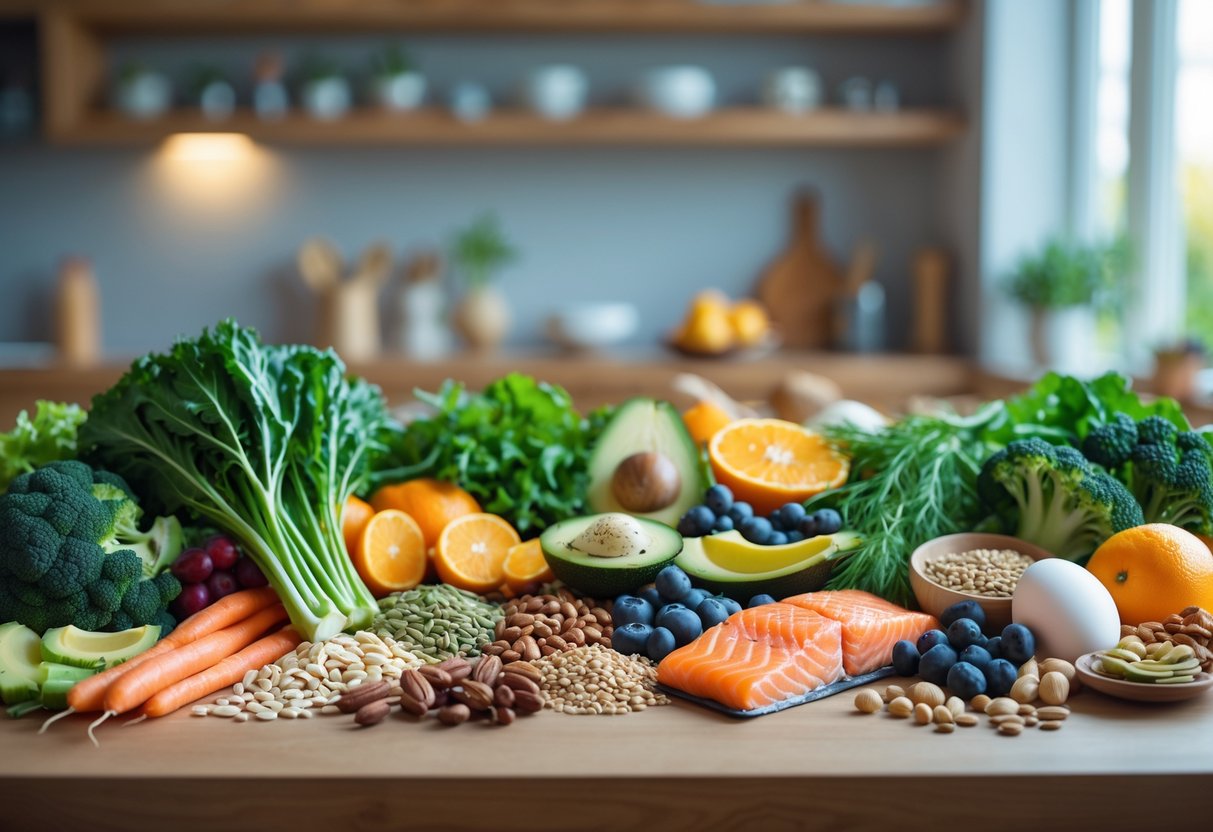
The right foods during menopause can help balance your hormones, protect your bones, and reduce uncomfortable symptoms. I want to share what I’ve discovered about eating well during this stage of life.
Simple changes to your diet can support your body through the menopausal transition. I’ll walk you through the best foods to include in your daily meals and which ones to avoid.
You’ll also get a printable chart to keep your kitchen stocked with menopause-friendly options. Making smart food choices doesn’t have to be complicated when you know what works.
Understanding the Menopause Diet
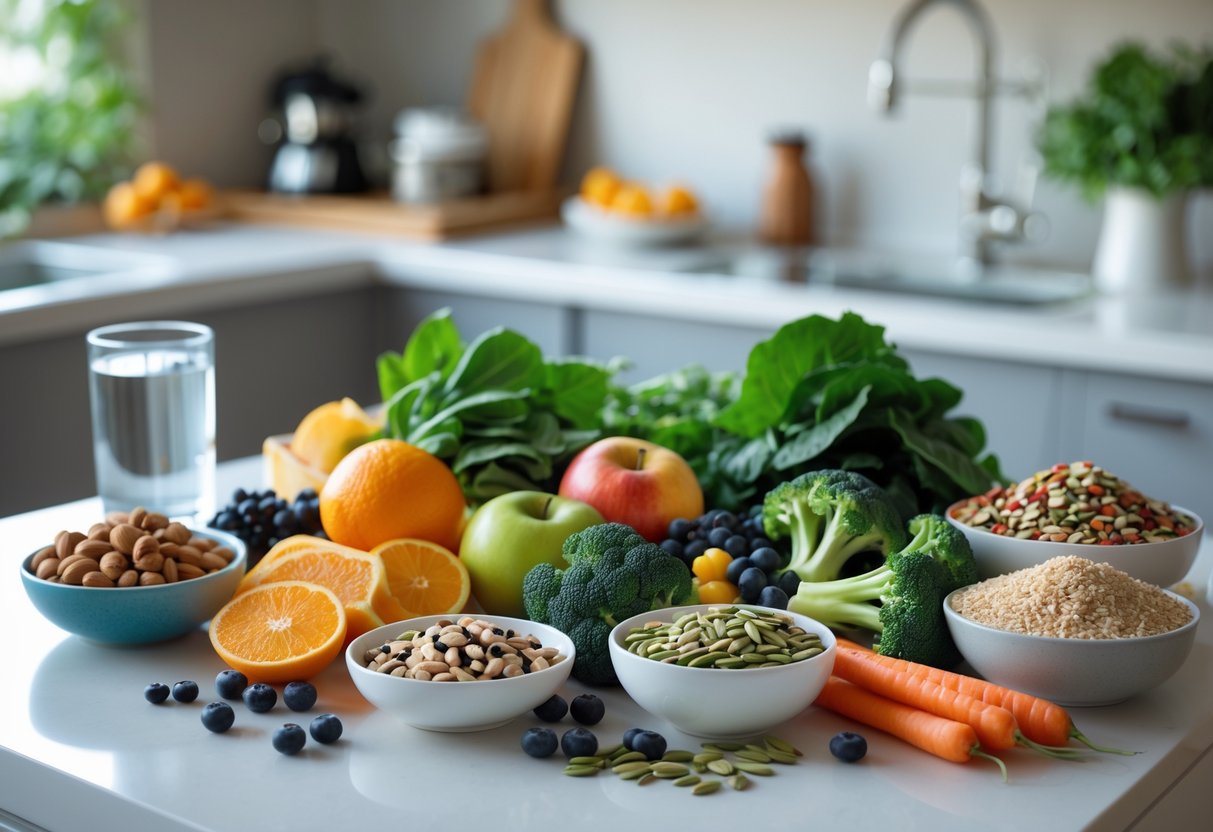
Menopause creates significant changes in my body that affect how I process food and nutrients. The right foods can help manage symptoms like hot flashes and mood swings while supporting my bone health and heart health during this transition.
Why Nutrition Matters During Menopause
During menopause, my body needs extra support to handle the major changes happening inside. My metabolism slows down, which can make maintaining a healthy weight more challenging than before.
Key nutrients become more important as I age. I need more calcium and vitamin D to protect my bones.
My heart health also needs attention since estrogen levels drop. My body processes food differently now.
What I eat can either help reduce my symptoms or make them worse. This is why choosing the right foods matters so much.
Proper nutrition helps with:
- Managing hot flashes and night sweats
- Supporting better sleep
- Keeping my energy levels stable
- Maintaining healthy weight
- Protecting my bones and heart
Hormonal Changes and Their Impact on Health
Perimenopause and menopause bring major hormonal shifts that affect my entire body. Estrogen and progesterone levels drop significantly during this time.
These hormonal changes impact my health in several ways. My bone density can decrease quickly without enough estrogen.
My risk for heart disease also increases after menopause. My metabolism slows down because of these hormone changes.
This makes it easier to gain weight, especially around my middle. My body also stores fat differently than it did before.
Hormone changes affect:
- How my body uses insulin
- My appetite and cravings
- Where I store body fat
- My mood and energy levels
- My sleep patterns
Common Menopause Symptoms and Dietary Triggers
Many foods can trigger or worsen my menopausal symptoms. Hot flashes are often the most bothersome symptom I experience.
Common trigger foods include:
- Spicy foods
- Caffeine
- Alcohol
- Processed foods
- Refined sugars
Hot flashes can get worse when I drink coffee or wine. Spicy foods often trigger them too.
These same foods can also affect my mood swings and sleep quality. Sugar and processed foods make my fatigue worse.
They cause my blood sugar to spike and crash. This leaves me feeling tired and cranky.
My night sweats can be triggered by eating late or having alcohol before bed. Heavy meals close to bedtime also disrupt my sleep patterns.
Best Foods to Eat During Menopause
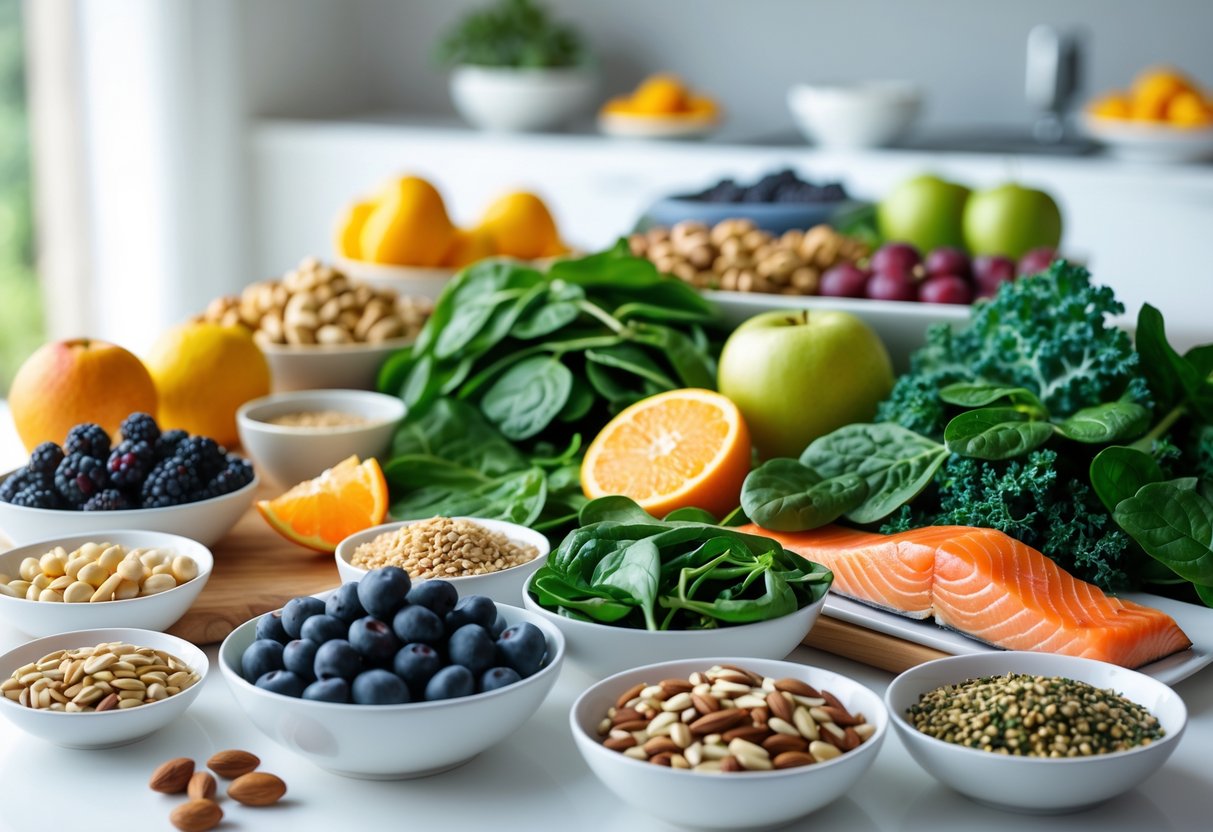
During menopause, I recommend focusing on foods that support bone health through calcium and vitamin D. Maintain digestive wellness with fiber, and preserve muscle mass with lean protein sources.
Calcium-Rich Foods for Bone Strength
Calcium becomes extra important during menopause because dropping estrogen levels can lead to bone density loss. I need about 1,200 mg of calcium daily to help prevent osteoporosis.
Dairy Sources:
- Greek yogurt (1 cup = 300mg calcium)
- Milk (1 cup = 300mg calcium)
- Cheese (1 oz = 200mg calcium)
Plant-Based Options:
- Leafy greens like kale, collard greens, and dandelion greens
- Broccoli and spinach
- Soy foods including tofu and soy milk
- Chickpeas and other legumes
Leafy greens are especially good because they give me calcium plus other nutrients my bones need. Kale has about 100mg of calcium per cup.
Collard greens have even more at 270mg per cup. Soy foods like tofu can provide 350mg of calcium per half cup.
I can also get calcium from whole soy foods like edamame.
Sources of Vitamin D
Vitamin D helps my body absorb calcium better. Without enough vitamin D, I can’t use the calcium I eat properly.
Food Sources:
- Fatty fish like salmon (3.5 oz = 360-700 IU)
- Eggs, especially the yolks
- Fortified milk and soy milk
Salmon is one of the best sources of vitamin D. It also gives me omega-3 fatty acids that help reduce inflammation.
Most people need supplements because food sources alone don’t provide enough vitamin D. I should talk to my doctor about getting my vitamin D levels tested.
High-Fiber Choices for Gut Health and Weight
Fiber helps me feel full longer and supports healthy digestion. This is important because metabolism often slows down during menopause.
Whole Grains:
- Oats, quinoa, and brown rice
- Whole wheat bread and pasta
Fruits and Vegetables:
- Avocado (10g fiber per cup)
- Broccoli and other cruciferous vegetables
- Berries and apples with skin
Legumes:
- Chickpeas and lentils
- Black beans and kidney beans
Flaxseeds are special because they have both fiber and plant estrogens called phytoestrogens. These may help with menopause symptoms.
I can add ground flaxseeds to smoothies or yogurt. Whole grains keep my blood sugar more stable than refined grains.
This helps prevent energy crashes and cravings.
Lean Protein Options for Muscle Maintenance
Protein becomes more important during menopause because I start losing muscle mass faster. I need about 25-30g of protein at each meal.
Animal Proteins:
- Salmon and other fatty fish
- Eggs (6g protein each)
- Greek yogurt (15-20g per cup)
Plant Proteins:
- Tofu and other soy foods
- Chickpeas and legumes
- Walnuts and other nuts
Fatty fish like salmon gives me protein plus omega-3 fatty acids. These healthy fats may help reduce inflammation and support brain health.
Greek yogurt is convenient because it has both protein and calcium. I can add berries for antioxidants and fiber.
Tofu and other whole soy foods provide complete protein. They also contain phytoestrogens that may help with hot flashes and other symptoms.
Hummus made from chickpeas is an easy way to get plant protein. I can eat it with vegetables for extra nutrients.
Healthy Fats and Heart-Boosting Foods
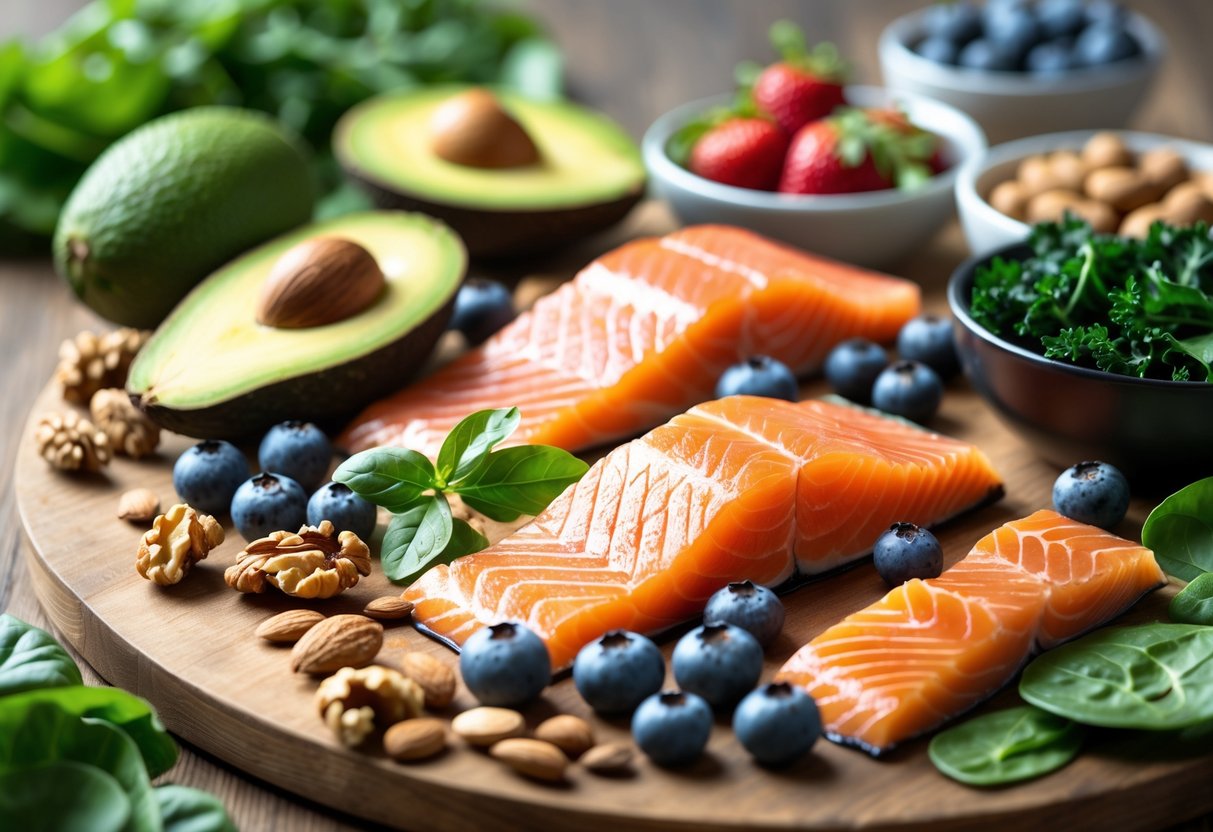
During menopause, I need to focus on healthy fats that support my heart and help manage symptoms. Omega-3 fatty acids reduce inflammation while monounsaturated fats protect my cardiovascular system.
Benefits of Omega-3 Fatty Acids
Omega-3 fatty acids are essential for my health during menopause. They help reduce hot flashes and support my mood when hormones fluctuate.
Salmon is one of the best sources I can choose. I should eat fatty fish like salmon at least twice per week.
Other good options include sardines, mackerel, and tuna. Plant-based sources work well too.
Flaxseeds contain omega-3s that my body can use. I can add ground flaxseeds to my smoothies or yogurt.
Walnuts give me another easy way to get omega-3s. Just a small handful provides what I need for the day.
These healthy fats help my heart stay strong. They also reduce inflammation in my body, which can ease joint pain and other menopause symptoms.
Monounsaturated Fats for Cardiovascular Health
Monounsaturated fats protect my heart during menopause when my risk for heart disease increases. These fats help lower bad cholesterol while keeping good cholesterol stable.
Olive oil is my best choice for cooking and salad dressings. I should use extra virgin olive oil for the most benefits.
Avocado provides healthy fats plus fiber and potassium. I can add sliced avocado to salads, sandwiches, or eat it as a snack.
These fats help my body absorb important vitamins. They also keep me feeling full longer, which helps with weight management during menopause.
My cholesterol levels benefit when I replace saturated fats with these healthier options.
Incorporating Nuts and Seeds
Nuts are perfect snacks that give me healthy fats, protein, and fiber. I should eat about one ounce per day, which equals roughly 23 almonds or 14 walnut halves.
Walnuts provide omega-3s plus magnesium for better sleep. Almonds give me vitamin E and calcium for bone health.
I can add nuts to my breakfast cereal or yogurt. They also work well in salads or as a mid-afternoon snack.
Seeds like flaxseeds, chia seeds, and pumpkin seeds boost my nutrient intake. I can sprinkle them on almost any meal.
These foods support my heart health and help me maintain a healthy weight during menopause.
Foods to Limit or Avoid During Menopause
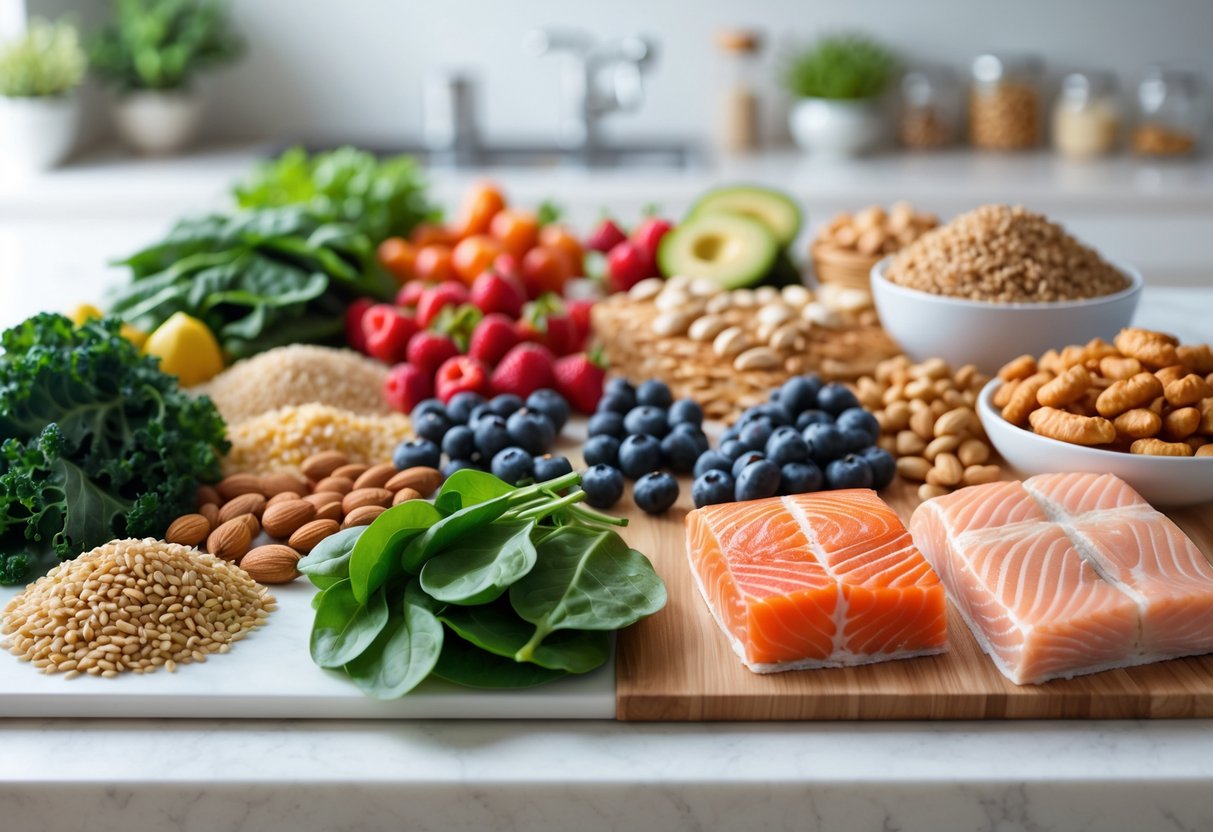
Certain foods can make menopause symptoms worse, especially hot flashes and mood swings.
Cutting back on caffeine, alcohol, processed foods, and high-sodium items can help you feel better during this transition.
Caffeine, Alcohol, and Spicy Foods
I recommend limiting caffeine if you’re dealing with hot flashes.
Coffee, tea, and energy drinks can trigger these uncomfortable episodes and disrupt your sleep, which is already challenging during menopause.
Alcohol is another major trigger food.
It can worsen hot flashes and night sweats, affect your sleep quality, and make mood swings more intense.
Spicy foods like hot peppers, curry, and hot sauce often trigger hot flashes.
The capsaicin in these foods raises your body temperature, leading to sudden sweating and discomfort.
If you don’t want to give up these foods completely, try having them earlier in the day.
Keep a food diary to track which ones affect you most.
You might find that small amounts are okay, but larger portions cause problems.
Processed and Highly Processed Foods
Processed foods and highly processed foods can make menopause symptoms worse.
These include packaged snacks, frozen meals, and fast food.
They’re often high in sugar, unhealthy fats, and artificial ingredients.
These foods can cause blood sugar spikes and crashes, making mood swings and energy dips more common.
They also contribute to weight gain, which many women struggle with during menopause.
Highly processed foods are especially problematic because they lack nutrients your body needs.
They often contain trans fats and excessive sodium, which can increase inflammation in your body.
I suggest focusing on whole foods instead.
Fresh fruits, vegetables, lean proteins, and whole grains give you better nutrition and help stabilize your blood sugar and energy levels throughout the day.
Red Meat, Saturated Fats, and Sodium
Red meat and saturated fats can worsen menopause symptoms.
These foods may increase hot flashes and contribute to weight gain.
They can also raise your cholesterol levels, which naturally increase during menopause.
Saturated fat is found in fatty cuts of beef, pork, and processed meats.
It’s also in full-fat dairy products and fried foods.
Too much saturated fat can affect your heart health and hormone balance.
Sodium is another concern during menopause.
High-sodium foods can cause bloating and water retention.
They may also contribute to high blood pressure, which becomes more common after menopause.
I recommend choosing lean proteins like chicken, fish, and plant-based options.
Limit processed meats like bacon, sausage, and deli meats.
Use herbs and spices instead of salt to flavor your food.
Planning a Balanced Menopause Diet

Creating a structured approach to eating during menopause helps manage symptoms and supports overall health.
I’ll share a practical meal plan and effective strategies to make your nutrition planning easier.
Sample Menopause Diet Plan
Here’s a simple daily meal plan I recommend for managing menopause symptoms:
Breakfast:
- 1 cup oatmeal with ground flaxseed
- 1/2 cup berries
- 1 tablespoon chopped walnuts
- 1 glass calcium-fortified plant milk
Lunch:
- Large salad with leafy greens
- 3 oz grilled salmon or tofu
- 1/2 cup quinoa
- Mixed vegetables with olive oil dressing
Dinner:
- 4 oz lean protein (chicken, fish, or tempeh)
- 1 cup roasted vegetables
- 1/2 cup brown rice or sweet potato
- Small portion of soy-based foods
Snacks:
- Greek yogurt with nuts
- Apple slices with almond butter
- Handful of seeds or nuts
This plan includes whole grains, quality protein sources, and foods rich in calcium and iron.
The soy foods help support hormone balance naturally.
Meal Planning Tips and Strategies
I suggest planning your meals one week at a time to stay consistent.
Start by making a shopping list that includes foods from each major group.
Focus on getting protein at every meal.
This helps maintain muscle mass and keeps you feeling full longer.
Good choices include fish, eggs, beans, and lean meats.
Include fruits and vegetables in bright colors.
These provide minerals and nutrients your body needs during menopause.
Aim for at least 5 servings daily.
Choose whole grains over refined ones.
Brown rice, quinoa, and oats provide fiber that supports gut health and helps stabilize blood sugar levels.
Prep ingredients ahead of time.
Wash and chop vegetables on weekends.
Cook grains in batches to use throughout the week.
Keep healthy snacks ready.
This prevents reaching for processed foods when hunger strikes.
Nuts, yogurt, and cut vegetables work well.
Printable Menopause Diet Chart
I created this easy-to-use chart to help you navigate the best foods to eat during menopause.
You can print it out and keep it handy in your kitchen or purse.
My menopause diet chart focuses on foods that help balance hormones and reduce symptoms.
It includes calcium-rich foods, healthy fats, and anti-inflammatory options.
| Food Group | Best Choices | Why It Helps |
|---|---|---|
| Protein | Salmon, eggs, Greek yogurt, beans | Supports muscle mass and hormone production |
| Calcium Sources | Leafy greens, dairy, sardines, almonds | Protects bone health |
| Healthy Fats | Avocados, olive oil, nuts, flaxseeds | Reduces inflammation and supports hormones |
| Fiber Foods | Whole grains, berries, vegetables | Helps with weight management |
| Antioxidants | Colorful vegetables, berries, green tea | Fights inflammation and aging |
Foods to Limit:
- Processed foods
- Excess sugar
- Alcohol
- Caffeine
I recommend printing this chart and placing it where you plan meals.
This makes it easier to build a menopause diet plan that works for your lifestyle.
The chart serves as a quick reference when grocery shopping.
You can check off items as you add them to your cart.
Many women find that having a visual guide helps them stay on track with their menopause diet.
The printable format means you always have access to this information.
Frequently Asked Questions
Many women have questions about what foods work best during menopause and how to create meal plans that help with symptoms.
These answers cover specific foods, meal planning strategies, and dietary habits that can make a real difference.
What are the top foods to include in a menopause-friendly diet?
I recommend focusing on calcium-rich foods like dairy products, leafy greens, and fortified plant milks.
These help protect your bones as estrogen levels drop.
Fatty fish such as salmon, mackerel, and sardines provide omega-3 fatty acids.
These healthy fats can help reduce inflammation and support heart health.
Soy foods like tofu, tempeh, and edamame contain natural plant compounds called phytoestrogens.
These may help balance hormones naturally.
Whole grains like quinoa, brown rice, and oats provide fiber and B vitamins.
They help stabilize blood sugar and support energy levels.
Can you suggest a weekly meal plan that is beneficial during menopause?
I suggest starting each day with calcium-rich breakfast options like Greek yogurt with berries or fortified cereal with milk.
Add ground flaxseed for extra omega-3s.
For lunch, include leafy greens with lean protein like grilled chicken or beans.
Add avocado for healthy fats and fiber.
Dinner should feature fatty fish twice per week, along with colorful vegetables and whole grains.
Try salmon with roasted vegetables and quinoa.
Snacks can include nuts, seeds, or fruit with nut butter.
These provide protein and healthy fats to keep you satisfied between meals.
How can one manage menopause symptoms with dietary changes?
I find that avoiding trigger foods helps reduce hot flashes.
Common triggers include spicy foods, caffeine, and alcohol.
Eating regular meals helps stabilize blood sugar and energy levels.
This can reduce mood swings and fatigue.
Foods rich in magnesium like nuts, seeds, and dark chocolate may help with sleep problems.
Calcium and vitamin D work together to support bone health.
Staying hydrated is important since hot flashes can cause fluid loss.
I recommend drinking water throughout the day.
What superfoods are recommended for women going through menopause?
Blueberries contain antioxidants that protect against inflammation and support brain health.
They’re also naturally sweet and low in calories.
Chia seeds provide omega-3 fatty acids, fiber, and calcium in a small serving.
You can add them to smoothies or yogurt.
Sweet potatoes offer beta-carotene and fiber.
They help stabilize blood sugar and provide natural sweetness.
Dark leafy greens like kale and spinach pack calcium, iron, and folate.
These nutrients support bone health and energy levels.
What eating habits can help in reducing belly fat associated with menopause?
I recommend eating protein at each meal to help maintain muscle mass.
This keeps your metabolism active as hormones change.
Limiting refined carbohydrates and added sugars helps prevent blood sugar spikes.
These can lead to increased fat storage around the middle.
Eating fiber-rich foods helps you feel full and supports healthy digestion.
Aim for vegetables, fruits, and whole grains at most meals.
Portion control becomes more important as metabolism slows.
Using smaller plates and eating slowly can help with this.
Is there a 30-day meal guide available for menopause nutritional needs?
I suggest creating a rotating meal plan with Mediterranean-style foods.
This eating pattern naturally includes anti-inflammatory foods and healthy fats.
Start with a basic framework of lean proteins, colorful vegetables, whole grains, and healthy fats.
Plan for two to three fish meals per week.
Include several plant-based meals and calcium-rich foods daily.
Keep a food journal to track which foods help with symptoms and which ones might trigger hot flashes.