

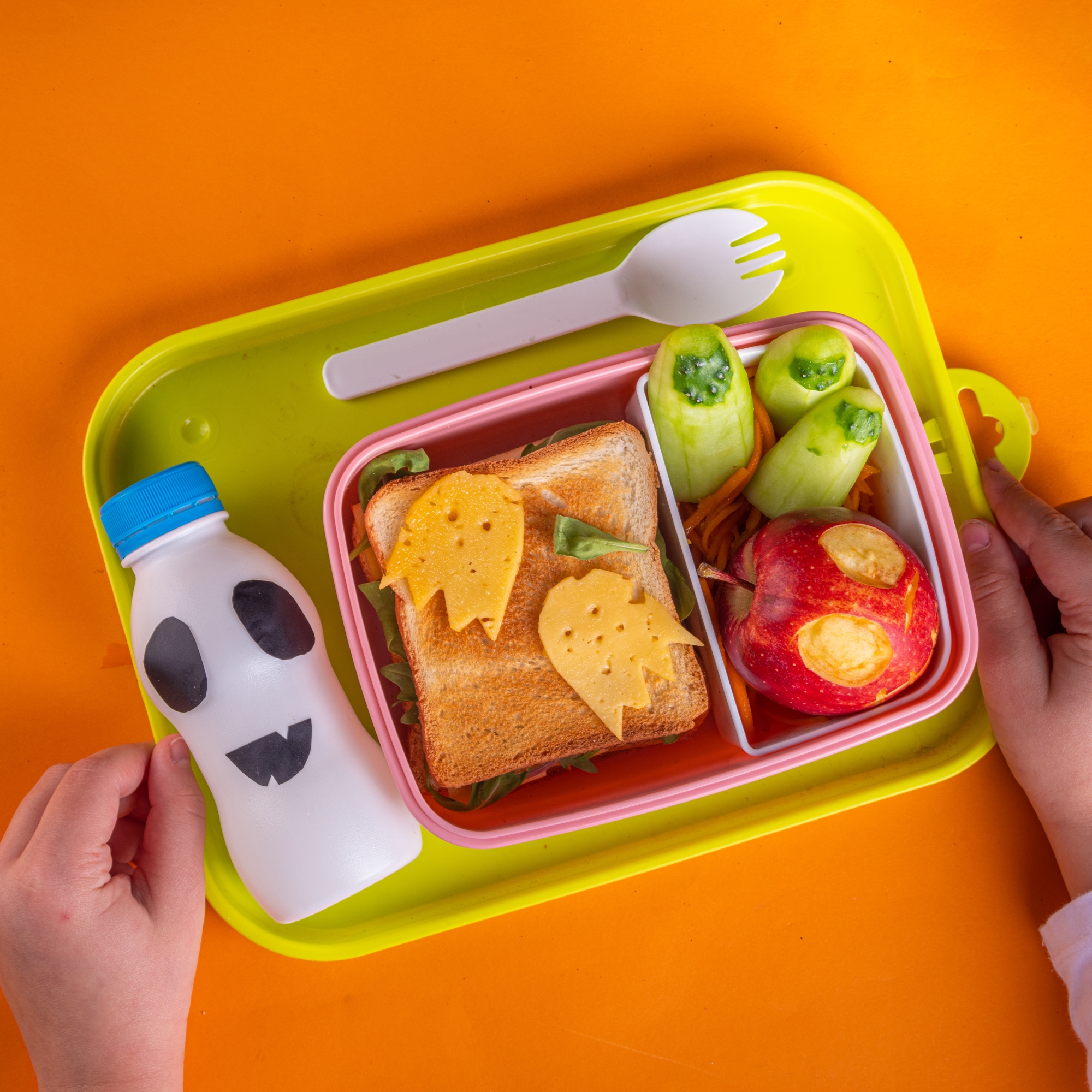
School Lunchbox Ideas: 4-Week Meal Plan for Kids (PDF Printable) – Easy, Nutritious Lunches Your Children Will Actually Eat
Packing school lunches for kids can feel like a daily puzzle. You want to create meals that are healthy, tasty, and fun.
Coming up with fresh ideas every day gets tough. My 4-week school lunchbox meal plan takes the guesswork out of lunch prep with ready-made ideas that kids actually want to eat.
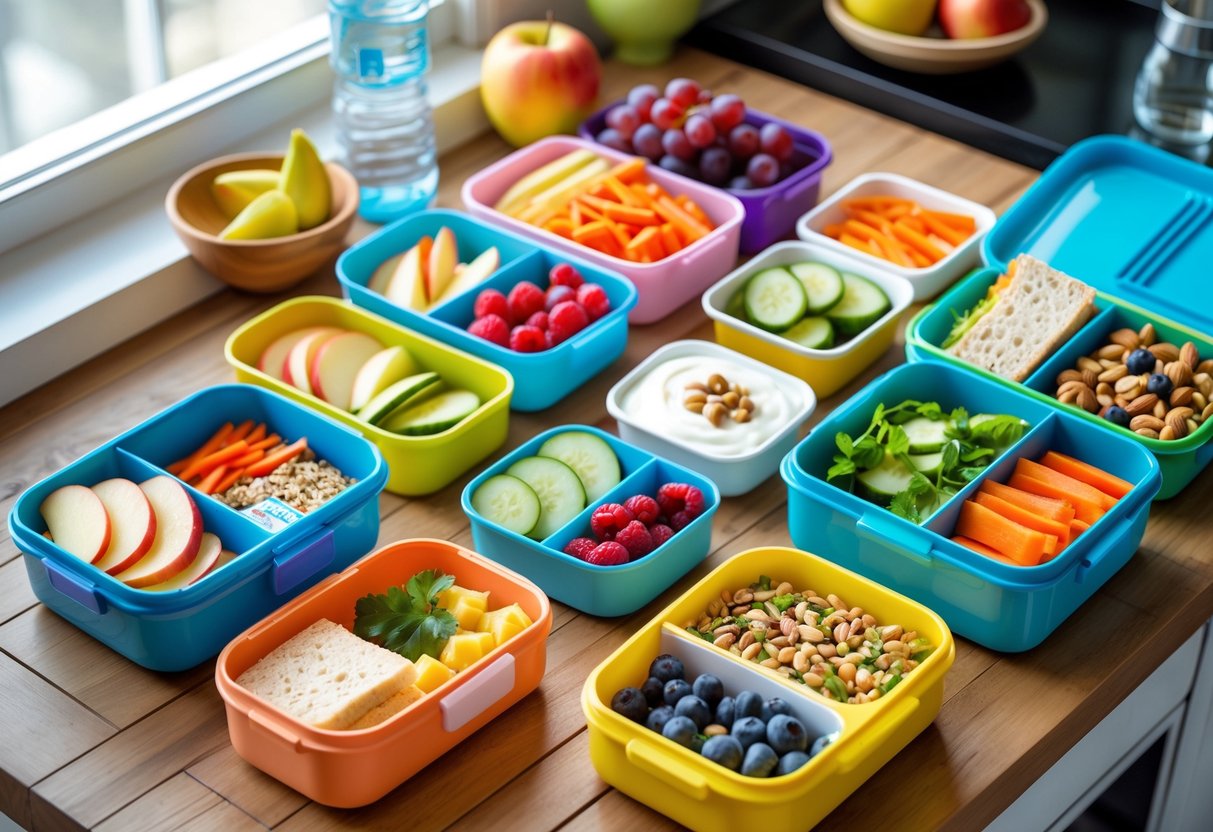
This printable lunchbox planner gives you a full month of school lunch ideas for kids. I’ve organized everything by week so you can see exactly what to pack each day.
The plan includes simple recipes, shopping lists, and tips to make lunch prep faster and easier. You’ll learn how to adapt the meal plan for picky eaters, food allergies, and different age groups.
I’ll also share my best tricks for stress-free lunch packing and keeping food fresh all morning.
How to Use the 4-Week School Lunchbox Meal Plan
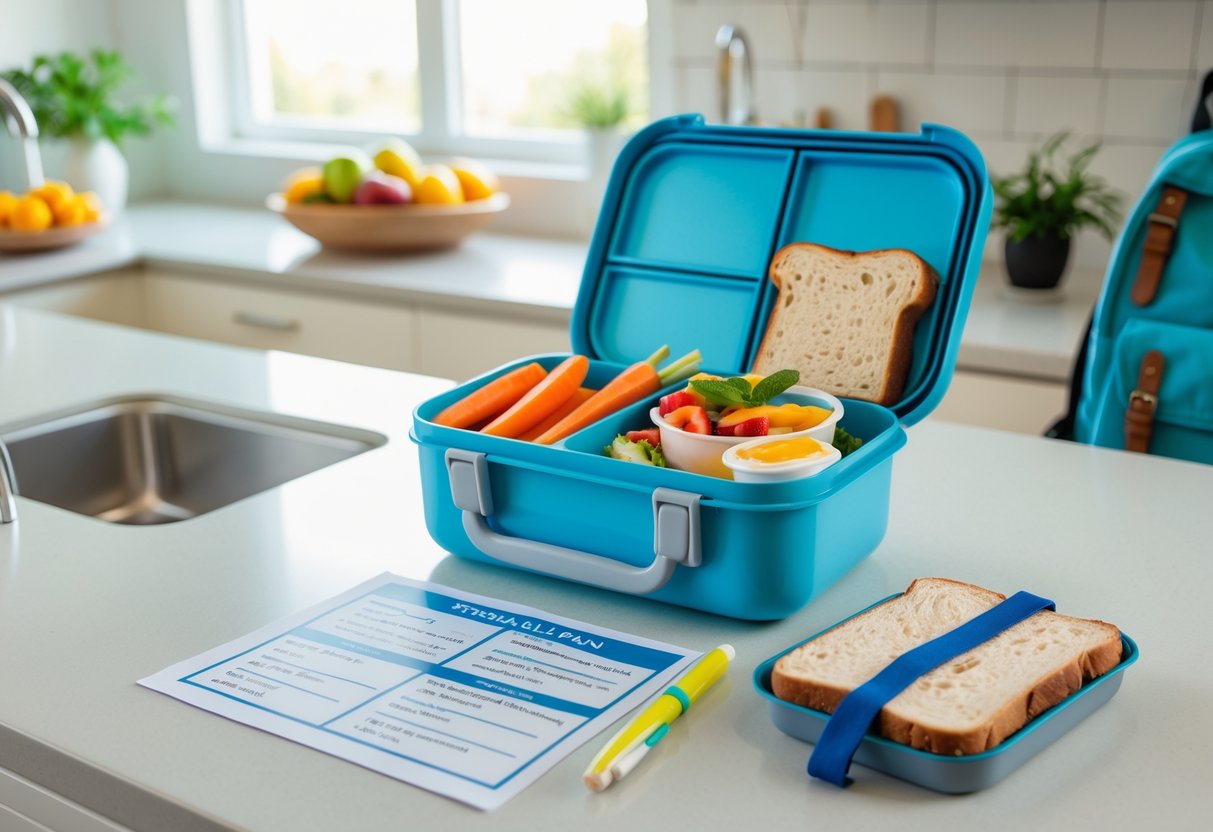
This printable PDF makes lunch planning simple by providing four weeks of organized meal ideas and practical tools. I’ve designed the meal planner to help you prep lunches quickly and reduce daily stress.
What’s Included in the Printable PDF
The printable meal planner comes with several helpful pages. You’ll find four complete weeks of lunch ideas with different options for each day.
I’ve included a weekly menu planner where you can write down your chosen meals. This helps you see the whole week at once.
The meal plan also has a shopping list section. You can check off items as you shop.
This saves time at the store.
Additional features include:
- Space for notes about your child’s preferences
- Prep day reminders
- Storage tips for packed lunches
Each week offers variety so your kids won’t get bored. I’ve made sure the meals are simple to make but still tasty.
Setting Up Your Meal Planner
Start by printing out the entire printable PDF. I recommend using regular paper since you’ll be writing on it often.
Look through all four weeks of meal ideas first. Circle or highlight the lunches your kids will actually eat.
This saves time later when you’re planning. Pick one day each week as your planning day.
Sunday works well for most families. Sit down with the meal planner and choose five lunches for the upcoming week.
Here’s my simple setup process:
- Choose your five lunches for the week
- Write them on the weekly planner page
- Check what ingredients you need
- Add missing items to your shopping list
- Plan one prep day before the school week starts
Keep the printable meal planner somewhere easy to reach. The kitchen counter or inside a cabinet door works great.
Maximizing the Meal Plan for Busy Parents
The key to success is prep time. I suggest spending 1-2 hours on weekends preparing ingredients.
Wash fruits, cut vegetables, and portion out snacks. Use the meal plan to batch similar tasks.
If two lunches need sandwiches, make them both at once. This cuts your daily prep time in half.
Smart prep strategies:
- Cook hard-boiled eggs for the whole week
- Pre-portion crackers and cheese
- Wash and cut all fruits on Sunday
- Make sandwich fillings ahead of time
The printable PDF works best when you involve your kids. Let them help pick meals from the four-week options.
They’re more likely to eat lunches they helped choose. Keep backup options ready.
I always have a few simple meals that don’t need much prep. Peanut butter sandwiches and apple slices work as emergency lunches.
Track which meals your kids love most. Write notes on the meal planner about favorites.
Week-by-Week Lunchbox Ideas
Each week builds on simple themes to keep lunch planning fresh and exciting. I’ve organized these weekly lunch ideas for school around balanced nutrition, familiar favorites, power-packed meals, and creative combinations.
Week 1: Balanced and Fun Meals
I start the month with meals that combine all food groups in kid-friendly ways. This week focuses on creating a strong foundation with familiar foods presented in appealing formats.
Monday: Turkey and cheese roll-ups with whole grain crackers, apple slices, and yogurt.
I add a small container of hummus for dipping the crackers.
Tuesday: Peanut butter and jelly sandwich on whole wheat bread, carrot sticks, string cheese, and grapes.
I cut the sandwich into fun shapes using cookie cutters.
Wednesday: Pasta salad with diced ham, cherry tomatoes, and cheese cubes.
I include a side of cucumber slices and a small muffin.
Thursday: Chicken quesadilla cut into triangles, bell pepper strips, fresh berries, and a small container of salsa for dipping.
Friday: Mini bagel with cream cheese, sliced strawberries, pretzels, and a hard-boiled egg.
I pack everything in separate containers to keep items fresh.
Week 2: Kid Favorites Reinvented
This week takes popular kid foods and gives them healthier twists. I focus on familiar flavors while sneaking in extra nutrition.
Monday: Homemade chicken nuggets made with crushed cornflakes, sweet potato fries, and a small container of ketchup.
I add snap peas and a juice box.
Tuesday: Pizza bagel made with whole grain bagel, marinara sauce, and mozzarella cheese.
I pack cherry tomatoes and a small bag of baked chips.
Wednesday: Mac and cheese with hidden pureed butternut squash mixed in.
I include steamed broccoli and a small cookie for dessert.
Thursday: Mini corn dogs made with whole wheat batter, served with baked beans and cucumber coins.
I add a small container of mustard for dipping.
Friday: Grilled cheese made with whole grain bread and real cheese, paired with tomato soup in a thermos and goldfish crackers.
Week 3: Nutrition-Packed Lunches
I design this week around nutrient-dense foods that fuel growing bodies. These easy lunch ideas for picky eaters focus on power foods disguised as regular meals.
Monday: Spinach and cheese wrap with turkey, served with baby carrots and ranch dip.
I include a small container of trail mix with nuts and dried fruit.
Tuesday: Quinoa salad with diced chicken, colorful vegetables, and a light vinaigrette.
I pack whole grain crackers and a small yogurt cup.
Wednesday: Salmon salad sandwich on whole grain bread with lettuce, paired with edamame and orange slices.
I add a small container of water.
Thursday: Lentil soup in a thermos with whole grain rolls, served with cheese cubes and grape tomatoes.
I include a small granola bar.
Friday: Black bean and cheese quesadilla with avocado slices, corn kernels, and a small container of Greek yogurt with berries mixed in.
Week 4: Creative and Easy Recipes
The final week combines creativity with simplicity. I use my printable lunchbox meal planner to track which combinations work best for future meal planning.
Monday: Bento box with mini sandwiches, cheese cubes, fruit kabobs, and crackers.
I arrange everything in colorful silicone cups for visual appeal.
Tuesday: Breakfast for lunch with mini pancakes, turkey sausage links, and fresh fruit.
I pack syrup in a small container for dipping.
Wednesday: Taco Tuesday lunch with soft tortillas, seasoned ground beef, shredded cheese, and diced tomatoes.
I include a small container of sour cream.
Thursday: Leftover dinner transformed into lunch wraps, paired with vegetable chips and a small smoothie in a thermos.
Friday: Build-your-own sandwich kit with various meats, cheeses, and condiments in separate containers.
I add crackers and fresh fruit to complete the meal.
Planning and Shopping Made Simple
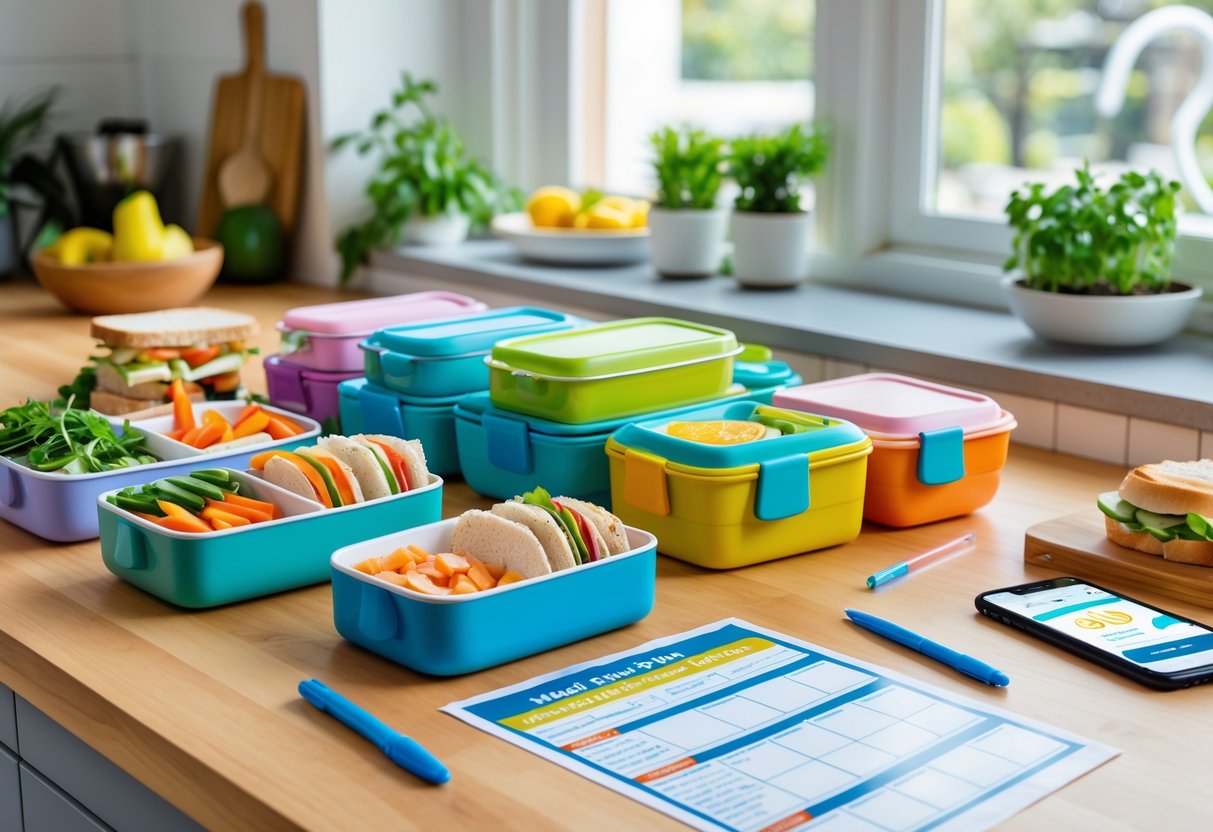
A good grocery shopping list and smart pantry tracking will save you time and money. These simple steps help you stay organized and make lunch prep much easier each week.
Using the Grocery Shopping List
I always start my school lunch meal prep with a detailed shopping list. This keeps me focused and helps me buy only what I need for the week.
My school lunch shopping list has four main sections. I write down proteins like turkey, cheese, and hard-boiled eggs.
Next comes fruits and vegetables my kids actually eat. The third section covers pantry items like bread, crackers, and snacks.
I also add drinks and any special treats for the week. Pro tip: I organize my list by store sections.
All produce items go together, then dairy, then pantry goods. This makes shopping much faster.
I keep a running list on my phone during the week. When I notice we’re low on something, I add it right away.
This prevents last-minute trips to the store.
Tips for Efficient Grocery Trips
Shopping for school lunches works best when I have a plan. I pick one day each week to do all my grocery shopping.
Sunday works great for me because stores are less crowded in the morning. I can take my time and find everything I need.
I always shop with my healthy school lunch checklist. This reminds me to pick foods from each food group.
My kids need protein, fruits, vegetables, and whole grains.
Shopping shortcuts that save time:
- Buy pre-cut vegetables when they’re on sale
- Choose fruits that last all week like apples and oranges
- Stock up on non-perishable items when they’re cheap
- Use store pickup or delivery for basic items
I avoid shopping when I’m hungry or rushed. This leads to buying too much junk food and forgetting important items.
Keeping Track of Pantry Staples
I keep a simple list of pantry items that work great for school lunches.
This helps me know what to buy before we run out.
My must-have pantry list includes:
- Whole grain bread and wraps
- Crackers and pretzels
- Nut butters and sunflower seed butter
- Canned fruits in water
- Individual applesauce cups
- Granola bars and healthy snacks
I check these items every Sunday before making my shopping list.
When something gets low, it goes on my grocery list right away.
I also rotate my pantry items so older things get used first.
This prevents food waste and saves money.
A small whiteboard on my pantry door helps me track what we have.
My family can write down items when they use the last one.
Ensuring Nutrition in Every Lunchbox
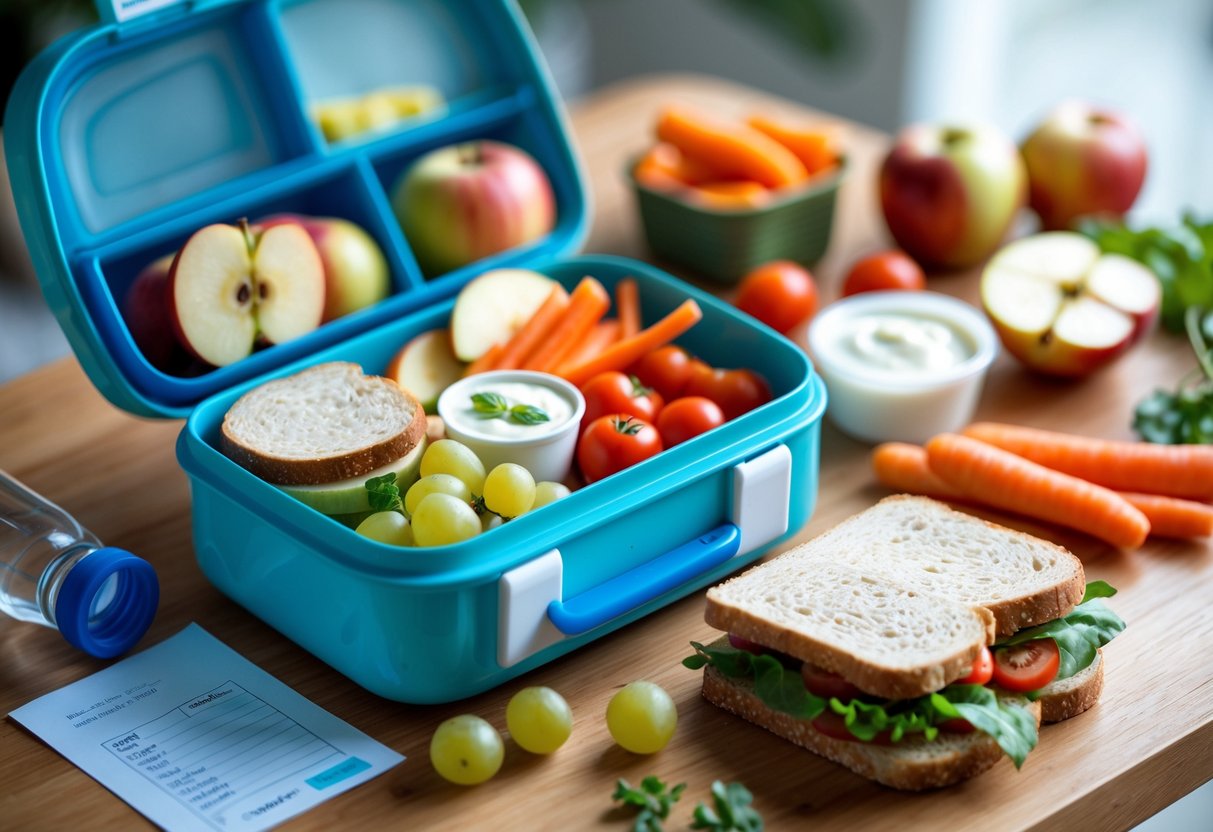
Getting the right nutrients into your child’s lunchbox doesn’t have to be hard.
Focus on balanced meals with protein, iron, and zinc while adding variety through whole foods.
Building Balanced Meals for Kids
I like to think of each lunchbox as having four main parts.
These are protein, grains, fruits, and vegetables.
Protein keeps kids full and helps them focus.
Good choices include:
- Hard-boiled eggs
- Turkey or chicken slices
- Cheese cubes
- Hummus
- Nut or seed butter
Grains give kids energy for learning.
I pick whole grain options when I can:
- Whole wheat bread
- Brown rice
- Whole grain crackers
- Oatmeal
Fruits and vegetables add vitamins and fiber.
I try to include at least one of each every day.
Including Protein, Iron, and Zinc Sources
Protein helps build strong muscles and keeps kids satisfied.
I aim for 15-20 grams per lunch.
Iron helps carry oxygen in the blood.
Kids need it for good energy and brain function.
Zinc supports growth and helps the immune system work well.
Here are foods that give you all three:
| Food | Protein | Iron | Zinc |
|---|---|---|---|
| Lean beef | High | High | High |
| Turkey | High | Medium | High |
| Chicken | High | Medium | Medium |
| Eggs | Medium | Medium | Medium |
| Beans | Medium | High | Medium |
I also add iron-rich foods like spinach, fortified cereals, and dried fruits.
For zinc, I include cheese, yogurt, and seeds.
Encouraging Variety and Whole Foods
I change up the foods I pack each week.
This keeps kids interested and gives them different nutrients.
Whole foods are better than processed ones.
They have more vitamins and less sugar and salt.
I rotate these options:
- Different colored fruits each day
- Raw vegetables with dips
- Whole grain breads and crackers
- Plain yogurt with berries
- Nuts and seeds (if allowed at school)
I let my kids help pick new foods to try.
This makes them more likely to eat what I pack.
Small changes make a big difference.
I swap white bread for whole grain or add sliced vegetables to sandwiches.
Adapting the Meal Plan for Different Needs
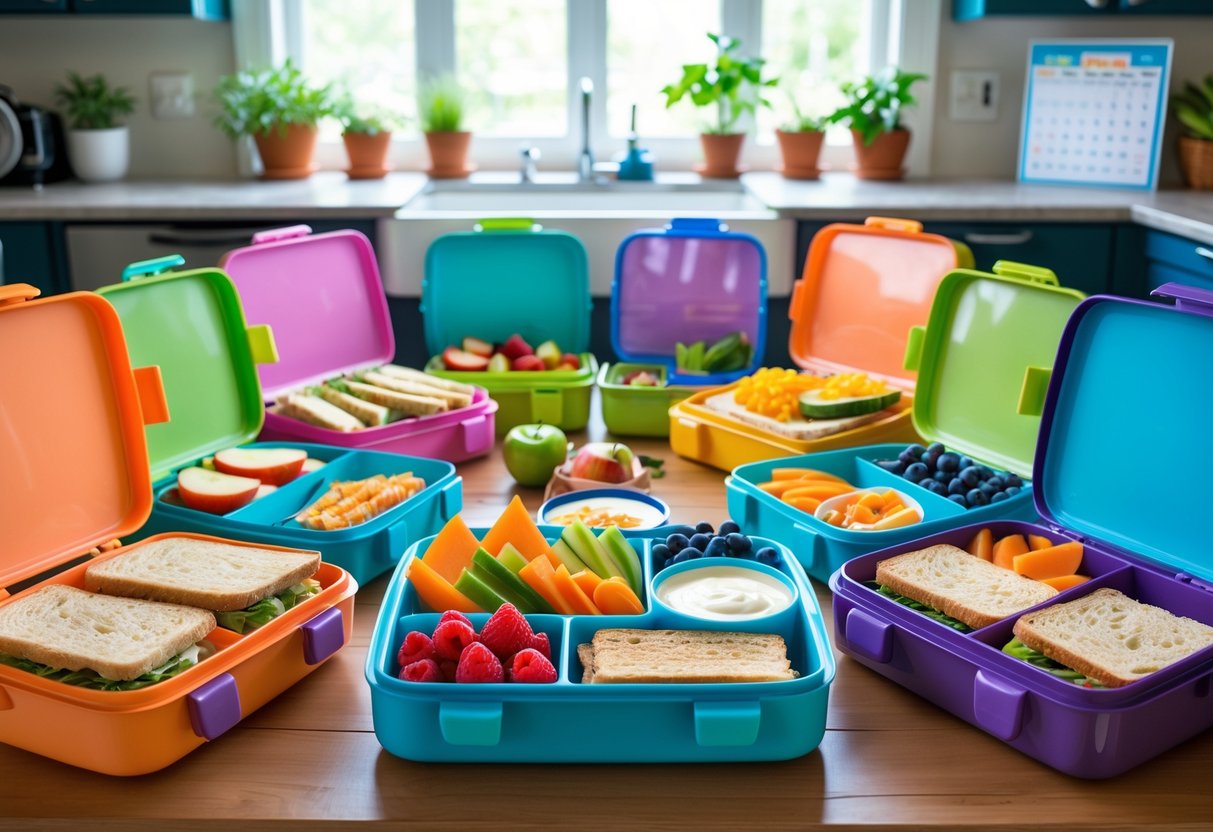
Every child has different food needs and preferences.
The meal planner can be changed to work for kids with allergies, special diets, or picky eating habits.
Nut-Free and Allergy-Friendly Options
Many schools have nut-free policies to keep all kids safe.
I recommend swapping out common allergens with safe alternatives.
Instead of peanut butter sandwiches, try:
- Sunflower seed butter on whole grain bread
- Cream cheese and cucumber rolls
- Hummus and veggie wraps
Safe protein options include:
- Hard-boiled eggs
- Cheese cubes or string cheese
- Turkey or ham roll-ups
- Yogurt cups
Always check labels for hidden allergens.
Many foods made in factories that process nuts can still cause reactions.
Pack allergen-free snacks like apple slices, crackers, or pretzels.
These are usually safe for most kids with food allergies.
Read ingredient lists carefully.
Some breads, granola bars, and crackers contain nuts or are made in facilities with nuts.
Vegetarian and Gluten-Free Modifications
Vegetarian lunches can be just as filling and tasty as meat-based meals.
I focus on protein-rich foods to keep kids full.
Great vegetarian proteins:
- Bean and cheese quesadillas
- Egg salad sandwiches
- Greek yogurt with berries
- Chickpea pasta salad
For gluten-free kids, use corn tortillas instead of wheat bread.
Rice cakes make good bases for toppings like avocado or cheese.
Gluten-free lunch ideas:
- Rice bowls with beans and vegetables
- Corn tortilla wraps
- Quinoa salad with diced vegetables
- Cheese and fruit boxes
Many regular snacks are naturally gluten-free.
Fresh fruit, vegetables, nuts, and plain yogurt work well.
Check that lunch meats and processed foods are gluten-free.
Some contain wheat as a filler.
Involving Kids in Lunch Decisions
When kids help plan their lunches, they are more likely to eat them.
I let children pick from healthy options to give them control.
Ways to involve kids:
- Let them choose between two healthy options
- Have them help pack their lunch boxes
- Ask what new foods they want to try
- Make a list of their favorite lunch foods
Create a simple chart with pictures of healthy foods.
Kids can point to what they want for lunch each day.
Give them choices like:
- “Do you want apple slices or grapes?”
- “Should we pack crackers or pretzels?”
- “What veggie do you want in your wrap?”
Start small with new foods.
Pack just a few bites of something new next to foods they already like.
Let older kids help make simple items like sandwiches or trail mix.
This teaches them cooking skills and makes them excited about their food.
Tips for Making School Lunch Prep Stress-Free
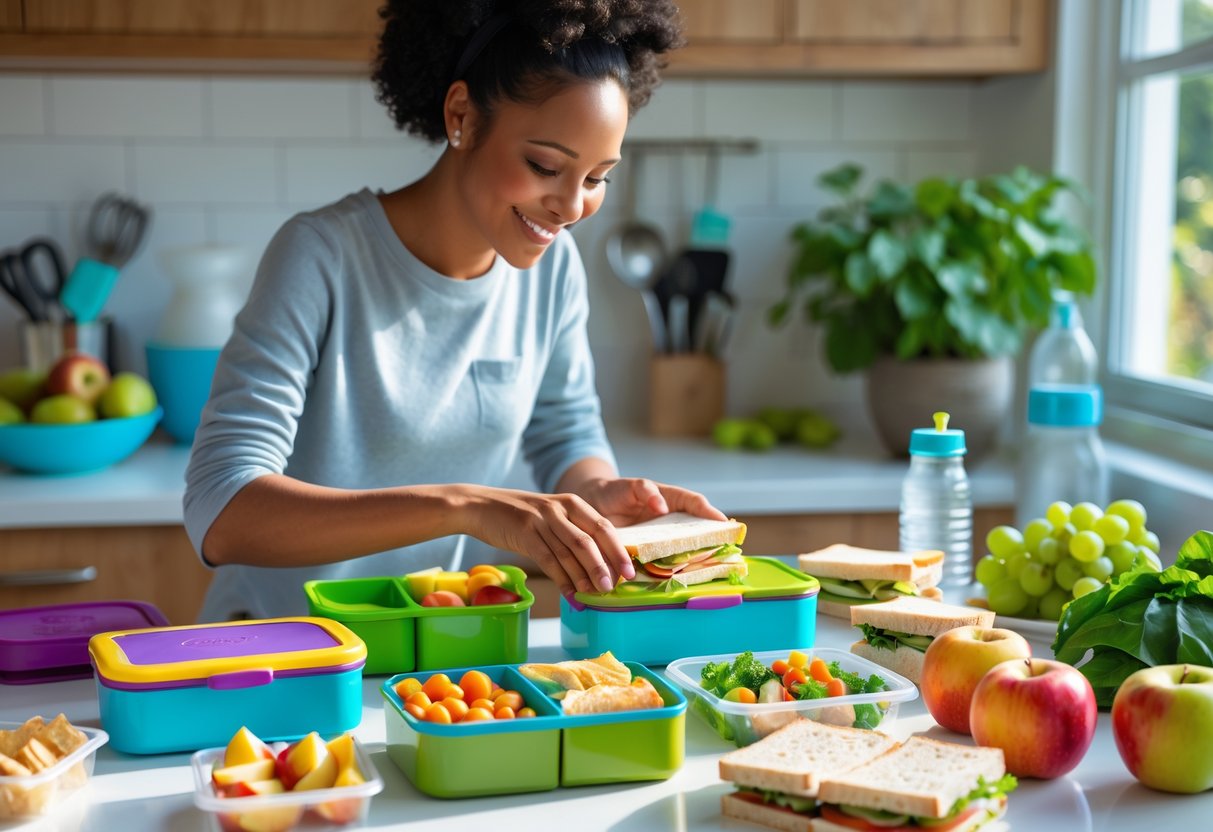
I’ve found that planning ahead and staying organized makes lunch prep much easier.
The key is to prep ingredients in advance and create fun lunches that kids actually want to eat.
Packing Lunches Efficiently
I recommend setting aside 1-2 hours on weekends to prep ingredients for the whole week.
This saves me tons of time on busy school mornings.
My favorite prep tasks include:
- Washing and cutting fruits and vegetables
- Cooking hard-boiled eggs
- Making sandwiches and wrapping them
- Portioning out snacks into small containers
I use a printable meal planner to map out each day’s lunch before I start prepping.
This helps me shop for exactly what I need.
Assembly-line packing works best for me.
I set out all the lunch boxes and pack the same item in each one before moving to the next food.
Storage and Food Safety
Proper storage keeps lunches fresh and safe to eat.
I always use insulated lunch boxes with ice packs for foods that need to stay cold.
Here’s my storage system:
| Food Type | Storage Method | Temperature |
|---|---|---|
| Sandwiches | Airtight containers | Room temp or cold |
| Cut fruits | Small containers with lids | Cold with ice pack |
| Dairy items | Insulated section | Cold with ice pack |
| Hot foods | Thermos containers | Hot (pre-heat thermos) |
I prep most items 2-3 days ahead max.
Some fruits like apples and bananas I cut fresh each morning to prevent browning.
Making Lunch Fun and Appealing
Kids eat lunches that look fun and taste good.
I use colorful containers and fun shapes to make meals more exciting.
My go-to tricks:
- Cookie cutters for sandwich shapes
- Colorful silicone muffin cups for separating foods
- Fun napkins with jokes or drawings
- Small notes with encouraging messages
I let my kids pick one item for their lunch each week.
This gives them control and makes them more likely to eat what’s packed.
Variety is key.
I rotate between different proteins, fruits, and snacks so lunches never get boring.
Frequently Asked Questions
Parents often have questions about packing nutritious lunches that kids will actually eat.
These common concerns focus on easy meal prep, balanced nutrition, and keeping lunch interesting throughout the school month.
What are some easy-to-pack lunchbox meals for kids?
I find that simple wraps and sandwiches work best for busy mornings.
Turkey and cheese wraps with a side of crackers take less than five minutes to prepare.
Pasta salads are another great option.
I make a big batch on Sunday and portion it out for the week.
Cold pasta with vegetables and a light dressing stays fresh for days.
Mini muffins filled with vegetables or fruit make excellent finger foods.
They’re easy to grab and kids love the individual portions.
Bento-style boxes with compartments work well for variety.
I fill each section with different foods like cheese cubes, grapes, and pretzels.
How can I make sure my child’s lunchbox includes a balanced diet?
I follow a simple formula for each lunch: one protein, one whole grain, two fruits or vegetables, and one dairy item.
This ensures my child gets nutrients from all food groups.
Protein can be hard-boiled eggs, chicken strips, or hummus.
Whole grains include whole wheat bread, crackers, or brown rice.
I pack at least one fresh fruit and one vegetable every day.
Apple slices with peanut butter or carrot sticks with ranch dip are popular choices.
Dairy options like string cheese, yogurt, or milk provide calcium.
I choose low-sugar varieties when possible.
What are some healthy snack options to include in a child’s lunchbox?
Fresh fruit is always my first choice for snacks.
Grapes, berries, and apple slices are easy to eat and naturally sweet.
Nuts and seeds provide healthy fats and protein.
I pack small portions of almonds, sunflower seeds, or pumpkin seeds.
Vegetables with dip make snacking fun.
Cherry tomatoes, cucumber slices, and bell pepper strips pair well with hummus or ranch.
Whole grain crackers or rice cakes offer fiber.
I look for options with minimal added sugar and sodium.
Can you suggest some quick and nutritious lunch recipes for school days?
My favorite quick recipe is a chicken and avocado wrap.
I use leftover grilled chicken, mashed avocado, and spinach in a whole wheat tortilla.
Mini quiches are perfect for meal prep.
I make a dozen on Sunday with eggs, cheese, and vegetables.
They reheat well or can be eaten cold.
Homemade trail mix takes minutes to prepare.
I combine nuts, dried fruit, and a small amount of dark chocolate chips.
Pita pockets stuffed with turkey and vegetables are easy to eat.
I add lettuce, tomatoes, and a small amount of mayo or mustard.
How can I keep my child’s lunchbox meals interesting over the month?
I rotate between different types of sandwiches each week.
Week one might be turkey, week two is ham, and week three features tuna salad.
Themed days help create excitement.
Taco Tuesday includes mini quesadillas or bean and cheese wraps with salsa.
I let my child choose one item for their lunch each day.
This gives them control while I handle the nutritional planning.
Color variety keeps meals visually appealing.
I aim for at least three different colors in each lunchbox through fruits and vegetables.
What are some allergy-friendly lunchbox ideas for kids?
For nut allergies, I use sunflower seed butter instead of peanut butter.
It has a similar taste and texture that kids enjoy.
Dairy-free options include coconut yogurt, almond milk, or dairy-free cheese.
Many brands now offer kid-friendly alternatives.
Gluten-free bread and crackers work well for wheat allergies.
I also pack corn tortillas or rice cakes as alternatives.
When in doubt, I stick to whole foods like fruits, vegetables, and plain meats.